Everything important about intensive care medicine
What happens in an intensive care unit?
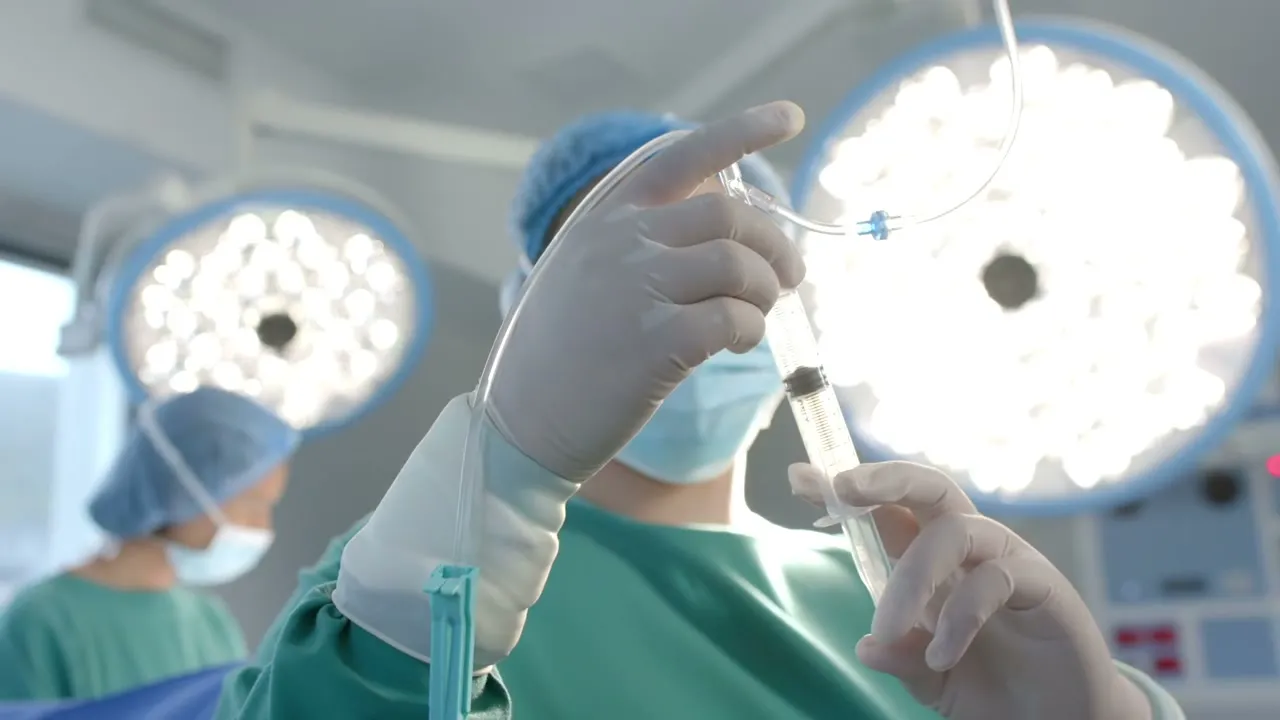
The intensive care unit (ITS, ICU) is a special hospital department for patients who are critically ill or at risk of serious complications. Here, vital functions are continuously monitored and, if necessary, artificially supported.
Typical intensive care patients:
- After major operations (abdomen, heart, blood vessels, neurosurgery)
- In severe organ failure (lungs, heart, kidneys, liver)
- In life-threatening infections (sepsis, severe pneumonia)
- After accidents with polytrauma
- In shock (cardiogenic, septic, hypovolaemic)
What is monitored? Heart rate, blood pressure, oxygen saturation, breathing, consciousness, urine output, blood values (laboratory every 4-6 hours). Every change is detected immediately.
How does artificial ventilation work?
If the lungs fail or the work of breathing becomes too strenuous, a ventilator takes over breathing completely or partially. It pumps air (with an increased oxygen content) into the lungs and helps with breathing out.
Invasive ventilation (via a tube):
- A tube is placed through the mouth or nose into the windpipe
- The patient is usually sedated (asleep) and cannot speak or eat
- With longer ventilation: tracheostomy (an opening in the windpipe)
- Used in: severe lung failure, coma, after major operations
Non-invasive ventilation (NIV, via a mask):
- Ventilation via a tight-fitting face mask
- The patient remains awake and can speak (by briefly removing the mask)
- Used in: COPD exacerbation, heart failure, mild pneumonia
Weaning: As soon as the lungs recover, ventilation is gradually reduced until the patient can breathe on their own again.
What is sepsis? The underestimated danger
Sepsis (colloquially “blood poisoning”) is a life-threatening inflammatory reaction of the whole body to an infection. The immune system overreacts and damages the body’s own organs. Untreated, sepsis leads to organ failure and death.
How does sepsis develop? Bacteria (less often viruses or fungi) enter the blood – e.g. from pneumonia, a urinary tract infection, a wound infection or an inflamed appendix. The body reacts with massive inflammation.
Symptoms:
- High fever (>38 °C) or low body temperature (<36 °C)
- Rapid pulse (>90/min), rapid breathing (>20/min)
- Confusion, clouding of consciousness
- Low blood pressure (shock!)
- Reduced urine output
Treatment: Immediate administration of antibiotics (within the first hour!), fluids, circulatory support with catecholamines, source control (e.g. surgery for appendicitis), intensive monitoring. Time = life!
Shock – when the circulation fails
Shock is a life-threatening condition in which the cardiovascular system can no longer transport enough blood and oxygen to the organs. Without treatment: organ failure and death within hours.
Types of shock:
Hypovolaemic shock
Too little blood volume (bleeding, fluid loss from diarrhoea/vomiting)
Cardiogenic shock
Heart failure (after a heart attack, severe heart failure)
Septic shock
In sepsis – blood vessels dilated, blood pressure falls
Anaphylactic shock
Severe allergic reaction
Symptoms: Low blood pressure, rapid weak pulse, cold sweaty skin, confusion, loss of consciousness
Treatment in intensive care:
- Volume therapy (infusions)
- Catecholamines (medication to stabilise the circulation)
- Treatment of the cause (stopping bleeding, antibiotics in sepsis, etc.)
- Invasive monitoring (arterial catheter, central venous catheter)
Acute kidney failure – when the kidneys go on strike
In acute kidney failure, the kidneys suddenly stop working. Toxins (urea, creatinine, potassium) build up in the blood. Untreated: fluid overload, dangerously high potassium (heart rhythm disorders!), uraemia (poisoning).
Causes:
Prerenal
Too little blood flow (shock, dehydration)
Renal
Damage to the kidneys themselves (medication, contrast agents, inflammation)
Postrenal
Urinary outflow obstruction (stones, enlarged prostate)
Treatment:
- Treatment of the cause (fluids in shock, stopping medication that damages the kidneys)
- Fluid balancing (not too much, not too little!)
- Dialysis (renal replacement therapy): If conservative therapy is not enough – blood purification removes toxins and excess fluid
In most patients, kidney function recovers after a few days to weeks. Some need dialysis permanently.
What is sedation in the intensive care unit?
Many intensive care patients are sedated – that is, put into an artificial sleep. Why? So that they tolerate the stressful therapies (ventilation, catheters, restlessness) better and the body can concentrate on healing.
Sedative medication:
Propofol
Standard sedative, short duration of action, quick awakening
Midazolam
Benzodiazepine, longer duration of action
Dexmedetomidine
Newer medication, patient remains responsive
Additional pain therapy
Sedation does not make you pain-free! This is why intensive care patients also receive painkillers (mostly opioids such as fentanyl, sufentanil).
Daily sedation break
To avoid oversedation, sedation is reduced or stopped daily – the patient wakes up briefly and we check the neurological status. This shortens the duration of ventilation and the length of stay in intensive care!
Delirium
Some patients become confused, hallucinate or are restless after waking up. This is a common complication in intensive care (delirium), usually temporary.
Intensive care medicine in detail – monitoring & therapy
Monitoring devices
Every intensive care patient is connected to several monitoring devices:
ECG monitor
Heart rate and rhythm
Blood pressure measurement
Non-invasive (cuff) or invasive (arterial catheter)
Pulse oximetry
Oxygen saturation in the blood
Capnometry
CO₂ content of exhaled air (during ventilation)
Invasive lines
For administering medications, taking blood samples and monitoring, intensive care patients need special catheters:
Peripheral venous catheter
In a hand vein or the crook of the arm
CVC (central venous catheter)
In a large neck vein, for catecholamines
Arterial catheter
In a forearm artery, for continuous blood pressure measurement
Urinary catheter
To monitor urine output
Medications in intensive care
Intensive care patients often receive many different medications at the same time:
Catecholamines
Noradrenaline, adrenaline to stabilise the circulation
Sedatives
Propofol, midazolam for sleep
Analgesics
Opioids (fentanyl) for pain therapy
Antibiotics
For infections
Insulin
Blood sugar control
Avoiding complications
In intensive care, typical complications are actively prevented:
Thrombosis prophylaxis
Heparin injections against blood clots
Stress ulcer prophylaxis
Stomach protection (PPI)
Pressure ulcer prophylaxis
Regular repositioning against pressure sores
Early mobilisation
Sitting up and moving as early as possible
For relatives: what you should know
Visiting hours & communication
Intensive care patients need rest to recover, but contact with relatives is important for their mental well-being.
- Visiting hours are often restricted (e.g. 2–4 pm and 6–8 pm)
- Usually only 1–2 visitors at a time
- For ventilated patients: short visits (the patient is usually sedated)
- Daily conversations with the doctors to inform you about the patient’s condition
Tip: Talk to sedated patients too – their sense of hearing often still works!
What you will see
The sight of an intensive care patient can be frightening – but all the tubes and devices serve the healing process:
- Breathing tube in the mouth (endotracheal tube)
- Many cables and tubes (infusions, catheters, monitoring)
- Beeping devices (alarms are usually harmless!)
- Swollen face (due to fluid)
Don’t be afraid: The nursing staff will be happy to explain what all the devices mean.
How long does intensive care last?
This varies greatly and depends on the illness:
Recovery is not linear – there are good days and bad days. Patience is important!
After intensive care: transfer to a normal ward, later rehabilitation or follow-up rehabilitation treatment