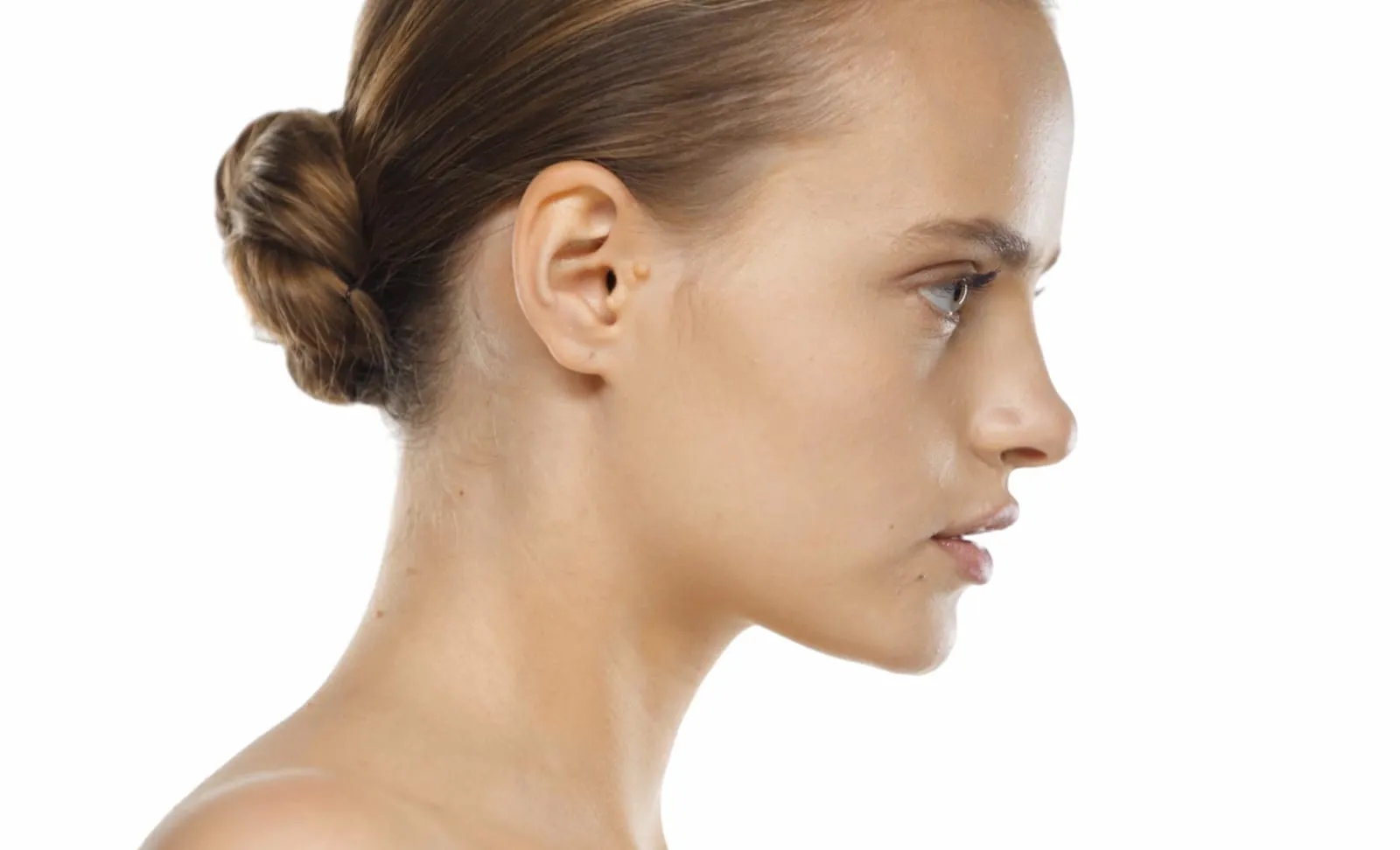
Give your face new harmony with a gentle nose reduction. Our doctors at the Deutsches Nasenzentrum® shape your nose subtly and precisely, with the aim of a natural and aesthetic appearance. Arrange your consultation at the Main-Tauber Klinik Wertheim now.
Nose reduction in Wertheim: surgery and close care at the Main-Tauber-Klinik
Your nose reduction takes place at the Deutsches Nasenzentrum® of the Main-Tauber-Klinik in Wertheim. After the consultation and surgical plan, the surgeon reshapes the nose under general anaesthesia, either open with an incision on the columella or closed inside the nose; afterwards you stay one to two nights and are closely monitored in the first days. For this, the team around Dr. med. Michael Bromba does not depend on external partners such as surgical centres or affiliated clinics.
The clinic is located at Rotkreuzstraße 2 in the house of the Bürgerspital Wertheim, in the Main-Tauber-Kreis. Coming from the direction of Würzburg, you reach A3 exit 66 Wertheim/Bestenheid in about 25 minutes; from the direction of Tauberbischofsheim, you drive around 30 minutes via the L578 and the B290. On site, follow the signs for Krankenhaus/Bürgerspital.
From the direction of Frankfurt, you drive about an hour via the A3.
Why our patients choose a nose reduction
Improving facial harmony through a nose that suits the proportions of the face better
Reducing conspicuous nasal features such as a broad or long nasal tip
Wish for a more subtle, aesthetically more appealing appearance
Relieving functional complaints such as breathing problems caused by the size of the nose
What is meant by a nose reduction?
A nose reduction is an aesthetic surgical procedure that aims to reduce the size and shape of the nose in order to adapt it more harmoniously to the proportions of the face. Patients often perceive their nose as too large, too broad or disproportionate in comparison with the rest of their facial features. This can affect self-confidence and lead to dissatisfaction with their appearance. Nose reduction, a form of rhinoplasty, addresses these concerns by shaping the nose so that it looks more natural and balanced. The procedure can have both cosmetic and functional aims, and it can improve not only the outer shape but also nasal breathing.
What restrictions come with a nose reduction?
After a nose reduction, some temporary restrictions can occur that are part of the natural healing process. Immediately after the operation, swelling, bruising and a slightly blocked nose can occur, making breathing more difficult. However, these symptoms are normal and usually subside within the first two weeks. The healing process can also mean that the nose reacts sensitively to touch and shows increased sensitivity. During this time it is important to avoid activities that could put strain on the nose or endanger it, such as intensive physical activity or wearing glasses that put pressure on the bridge of the nose. In addition, the head should, where possible, be kept raised in the first few days in order to minimise swelling. It is important that patients are patient with the healing process, as it can take some months until the final result is fully visible.
Deutsches Nasenzentrum®: possible aims of a nose reduction
Improving breathing function by correcting narrowings or structural anomalies
Reducing nasal obstructions by adjusting the nasal structures for better airflow
Relieving chronic complaints such as headaches or a feeling of pressure, where they are due to narrowed nasal passages
Stability and functionality of the nasal structure through careful reduction and reconstruction
What treatment options are there for a nose reduction?
A nose reduction can be performed with various surgical techniques, depending on the patient’s specific needs and goals. The most common methods include reducing the width of the nose, reducing the nasal tip, reducing the nasal bridge and reducing the height and length of the nose.
These techniques can be used individually or in combination. In the planning phase, the surgeon will address the patient’s individual wishes and anatomical conditions in detail in order to determine the suitable treatment.
Methods compared
The most common methods compared
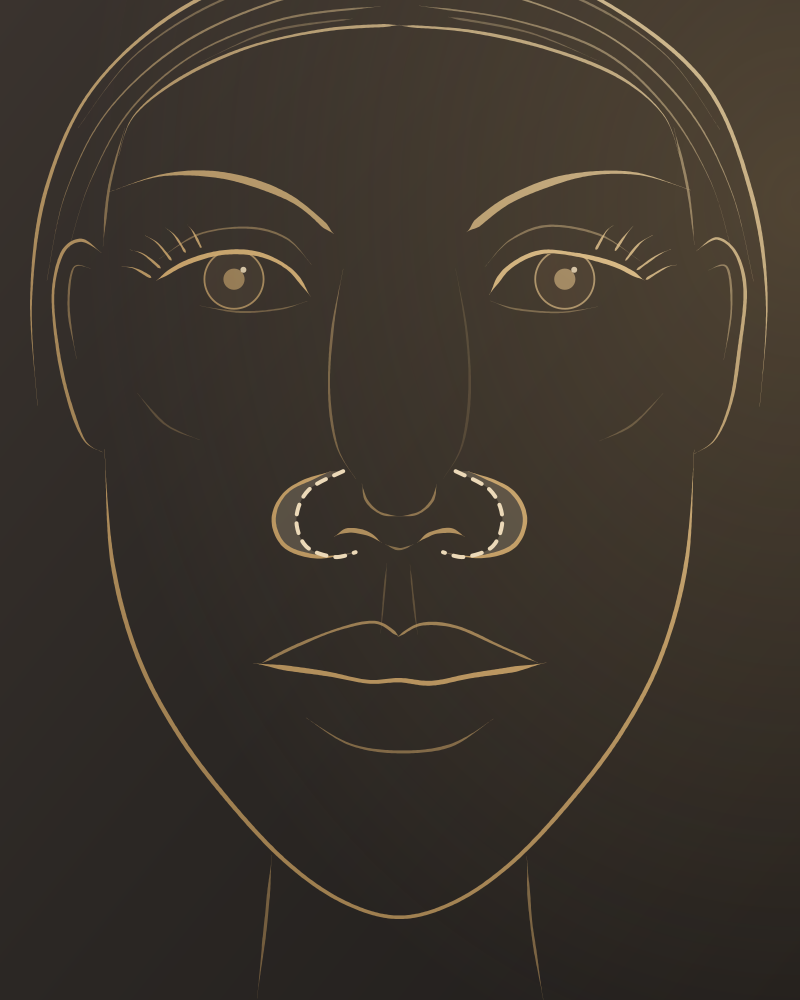
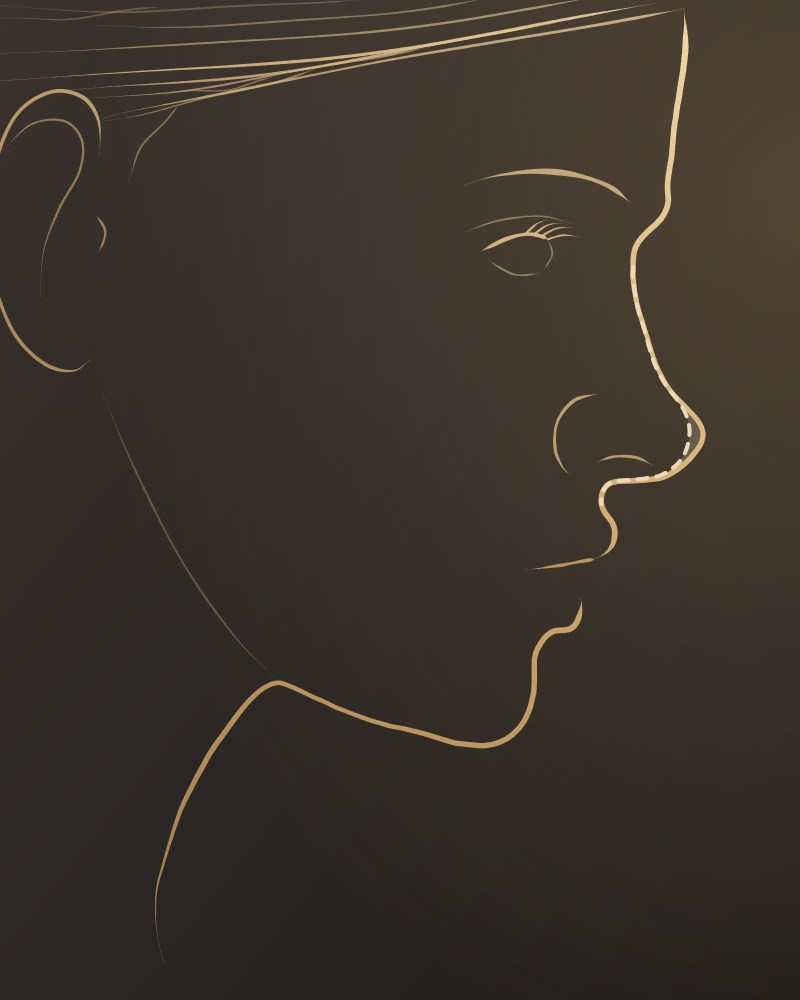
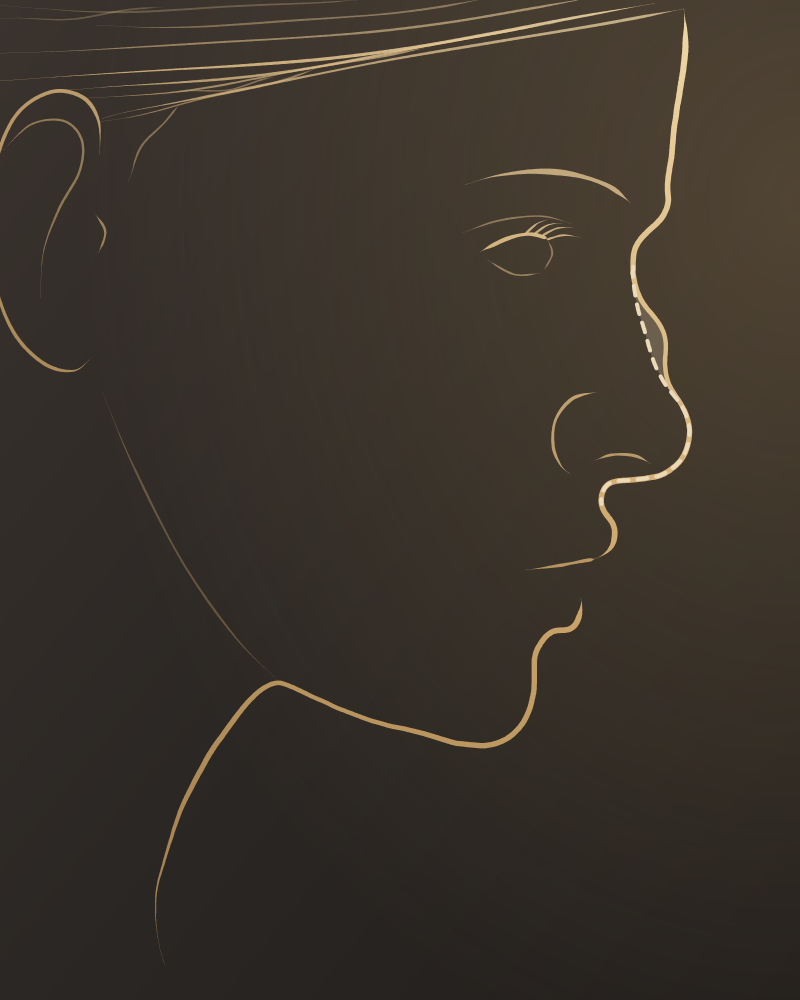
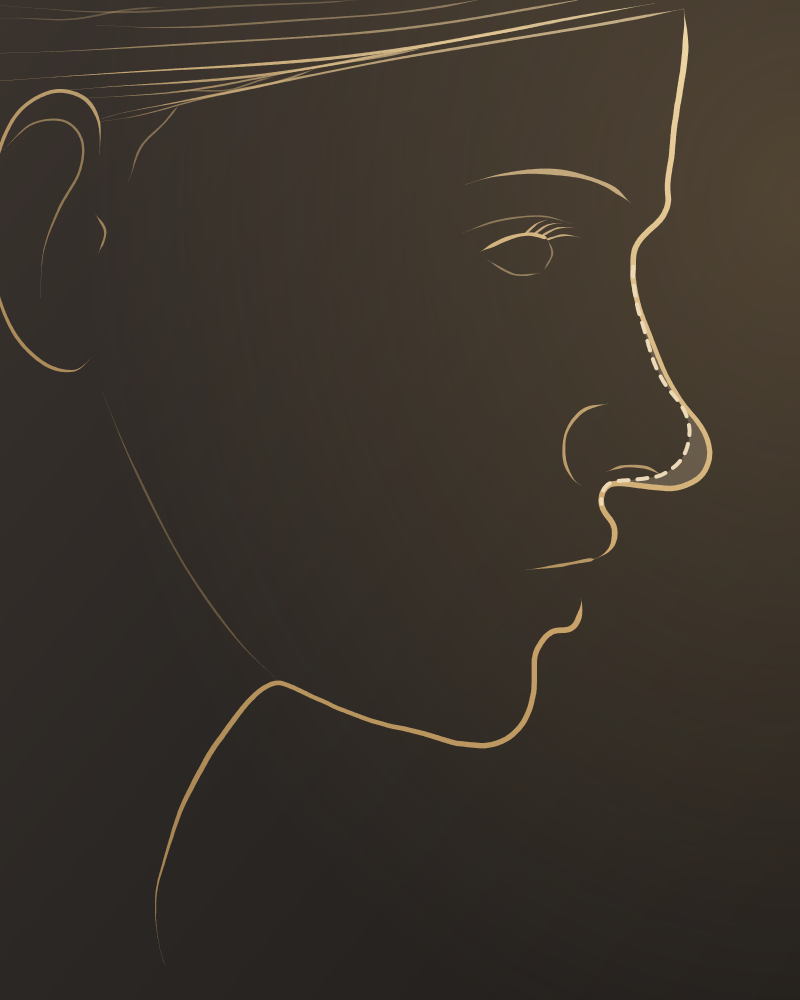
These techniques can be used individually or in combination. The drawings show schematically what changes on the nose.
Reducing the width of the nose
If the nose looks too broad in relation to the face, the surgeon can reduce the width of the nasal base by removing tissue and realigning the nostril wings. This technique is intended to give the nose a narrower and finer appearance.
Procedure on
Nasal base and nostril wings
Aim
a narrower nose
Reduction of the nose tip
A nasal tip that is too large or bulbous can dominate the face. Through precise procedures on the cartilage of the nasal tip, it can be reduced and refined so that it fits the other facial features better.
Procedure on
cartilage of the nose tip
Aim
a finer tip
Reduction of the nasal bridge
In patients with a pronounced nasal hump or a nasal bridge that is too high, it can be lowered to balance the profile and aim for a harmonious side view. This is often done by removing excess bone and cartilage.
Procedure on
Bone and cartilage of the nasal bridge
Aim
a balanced profile
Reducing the height and length of the nose
In the case of an excessively long or high nose, the nasal structure can be adjusted so that the nose appears shorter and more proportionate. This is often achieved by shortening the nasal cartilage and reshaping the nasal bridge.
Procedure on
Nasal cartilage and nasal bridge
Aim
a shorter, more proportionate nose
How does the treatment for a nose reduction work?
A nose reduction begins with a detailed consultation and planning. The surgeon discusses the desired changes with the patient and carries out a thorough examination of the nasal structure. This also includes an analysis of the facial features to make sure that the changes fit harmoniously into the overall appearance. Based on this analysis, the surgeon develops a detailed surgical plan.
On the day of the operation, the procedure is usually performed under general anaesthesia to make it as comfortable as possible for the patient. The duration of the operation varies depending on complexity, but usually lies between one and three hours. The surgeon makes precise incisions, which in open rhinoplasty are placed at the columella and in closed rhinoplasty exclusively inside the nose, in order to minimise scarring.
During the operation, the surgeon removes excess tissue, bone or cartilage and reshapes the nose in order to achieve the desired size and shape. After the operation, the nose is stabilised with a special splint to support healing and secure the new shape. In the first days after the procedure, the patient is closely monitored to make sure that healing proceeds as planned.
The post-operative phase requires particular care. Swelling and bruising are normal during this time, and it is important to follow the doctor’s instructions on caring for the nose exactly. Most patients can take up light activities again after a week, but should avoid intensive physical strain and direct sunlight for several weeks.
Your timetable for the nose reduction at the Main-Tauber Klinik
This is how a nose reduction proceeds at the Deutsches Nasenzentrum® of the Main-Tauber Klinik, from the consultation to the result:
Step 1
Beforehand
Consultation. We discuss the desired changes, examine the nasal structure and analyse your facial features. The operation plan is based on this; you can book your appointment online.
Step 2
Day of surgery
The procedure. The operation is usually performed under general anaesthesia and, depending on its extent, usually takes one to three hours. Afterwards a splint stabilises the nose.
Step 3
The first few days
In the clinic. You stay one to two nights. Swelling, bruising and a blocked nose are common; keep your head raised where possible.
Step 4
Weeks 1 to 2
Plaster splint. You wear the plaster splint and do without nicotine, sunbathing and sport. After about a week, light activities are usually possible again.
Step 5
After about 14 days
Back to everyday life. The stitches are removed, and you are back out among people after one to two weeks. In most cases you are unfit for work for about 14 days.
Step 6
Up to week 6
No glasses. For the first six weeks you do not wear glasses that press on the bridge of the nose, and you avoid intensive physical strain.
Step 7
After a few months
The result. Some months can pass until the final result is visible. Attend the regular check-up appointments.
What does the result of a nose reduction depend on?
The result of a nose reduction depends essentially on the procedure being carefully planned and carried out by an experienced and qualified surgeon. The aim is to achieve a more harmonious overall appearance by adapting the size of the nose to the proportions of the face.
Functional improvements, such as easier nasal breathing, can also be an aim of the procedure. However, it is important that patients have realistic expectations and understand that the healing process takes time until the final result becomes visible.
What restrictions and risks are there with a nose reduction?
As with any operation, there are potential risks and limitations with a nose reduction too. These include general risks such as infections, bleeding or reactions to the anaesthetic. Specific risks of nose reduction can include undesired scarring, asymmetries or unsatisfactory aesthetic results, which in rare cases might require a secondary correction.
Temporary swelling, bruising and restricted nasal breathing are normal in the first weeks after the operation. However, these symptoms usually subside within a few weeks. In the long term, in rare cases problems such as instability of the nasal structure or scarring may occur, which could impair breathing.
It is important that the patient follows the instructions on post-operative care carefully and attends regular follow-up appointments in order to support the healing process and minimise potential risks.
What should I look for in a doctor who is to reduce my nose?
Choosing the right surgeon is decisive for the success of a nose reduction. Make sure that the surgeon specialises in rhinoplasty and has extensive experience in nasal surgery. A qualified specialist in plastic and aesthetic surgery with experience in the ENT field and a special focus on rhinoplasty is a good choice.
Check the doctor’s qualifications, in particular certifications and memberships of recognised specialist societies, and ask about his experience with the planned procedure during the consultation.
Another important aspect is the trust between patient and surgeon. The surgeon should take enough time for a detailed consultation in order to understand your wishes and expectations. He should explain the entire course of the operation, the risks and the necessary aftercare measures to you in an understandable way. Good communication and an open, trusting relationship are important so that your expectations of the operation are realistic.
At the Deutsches Nasenzentrum®, led by Dr. med. Michael Bromba, we carry out nose reductions with decades of experience and with care. Arrange your no-obligation appointment for a personal consultation.
Financing is possible through our financing partner, more on this under Financing your treatment.
When does German statutory health insurance pay for a nose correction?
If the operation is necessary because of a functional disorder of the nose, private health insurance or Beihilfe (German civil service allowance) may cover part of the costs. This does not apply to the aesthetic part of the nose correction. Please discuss this with your private health insurance or Beihilfe. For people with statutory insurance, reimbursement by their German statutory health insurance fund is possible if there is a medical indication and the treatment takes place in our central clinic. You will receive further information in your personal consultation.
How painful is nose surgery and how long is the nose swollen?
Any pain that occurs can usually be treated well with accompanying medication. Slight swelling and haematomas under the eyes are possible, but they have usually subsided by the time the cast is removed.
How long is the stay in the clinic for a nose correction?
As a rule, you can leave the clinic one day after the correction. In a few exceptional cases you stay for a second night for observation. Smaller procedures can be done on an outpatient basis.
How should I behave straight after a nose correction, how long do I have to wear a cast and when can I return to sport?
In the first one to two weeks, wear a plaster splint applied straight after the correction, with an adhesive or acrylic dressing. Avoid nicotine, sunbathing and sport during this time. Wash your hair with your head bent forward. In the first six weeks after the nose correction you should also refrain from wearing glasses.
How long will I be signed off sick after nose surgery?
Naturally, this depends on which type of nose correction is necessary and advisable in your case. It makes a difference whether we merely perform a nasal tip correction, only straighten the nose or carry out a full nose correction. In most cases you are unfit for work for 14 days, in exceptional cases somewhat longer. Your treating doctor at the Main-Tauber Klinik can tell you how much time off work to expect in your case if healing goes well.
What does a nose reduction cost in Wertheim?
The costs depend on how much tissue, bone or cartilage is removed and which technique this requires. At the Main-Tauber-Klinik, you pay a final price including VAT, with no subsequent costs for the nights in the clinic, meals, follow-up treatments or the anaesthetist. Financing is possible through our financing partner, as is follow-up cost insurance.
Where in Wertheim is the nose reduced?
At the Deutsches Nasenzentrum® of the Main-Tauber-Klinik at Rotkreuzstraße 2, 97877 Wertheim. You can reach the house of the Bürgerspital, where the clinic is located, from the station with bus line 975 to the stop Reinhardshof, Nord/Krankenhaus, with line 974 B or in a few minutes by taxi.
Book consultation
Find your consultation appointment now
Your consultation in 3 steps:
Choose treatment
Choose preferred appointment
confirm by code
Treatment
Type of appointment
Appointment
Your details
Confirm
Which treatment are you interested in?
Click on the area you are interested in:
No matching treatment found. Choose “Still undecided?” in an area and we will call you.
Hervorragende Betreuung – ein großes Glück für Wertheim
Während meines stationären Krankenhausaufenthalts im Bürgerspital Wertheim habe ich mich rundum bestens aufgehoben gefühlt. Die Ärzte waren äußerst kompetent, engagiert und haben sich viel Zeit genommen.
Ein besonderes Lob gilt den Pflegekräften! Stets freundlich, herzlich, aufmerksam und hilfsbereit. Man spürt, dass hier Menschen mit Herz und Leidenschaft arbeiten .
Mein ganz persönlicher Dank gilt Frau Dr. med. Barbara John für ihre außergewöhnliche Fürsorge, hohe fachliche Kompetenz und ihre herzliche, pfiffige menschliche Art. Ich habe mich bei ihr in den besten Händen gefühlt
Auch die schönen modernen Zimmer, das hervorragende Essen und die angenehme Atmosphäre haben überzeugt.
Ein herzliches Dankeschön an das gesamte Team! Schön, dass es euch gibt
aus voller Überzeugung!
Stefan K. · October 2026
Top Krankenhaus. Immer freundlich und am Wochenende gibt es dort eine Notfallpraxis für akute Erkrankungen.
Wo das Land versagt hat, hat die Stadt Wertheim tolle Arbeit geleistet.
Christoph G. · October 2026
Sehr gut organisiert, gut gelauntes freundliches Team. Kurze Wartezeit. Top...
Martina K. · September 2026
Die Klinik ist wirklich klasse. Sämtliche Krankenschwestern so wie die Ärzte sind absolut super. Immer ein offenes Ohr für Fragen.
Was fehlt: Es könnten im Bad ein paar Haken für Handtücher mehr angebracht sein. Ist aber jammern auf hohem Niveau.
Glg an alle mit denen zu tun hatte.
Macht weiter so.
Ulrike B. · September 2026
Ich war im Bürgerspital Wertheim vom 19. - 23.08.26 stationär untergebracht. Revisionsoperation an der HWS durch Dr. Mahmud Kadhem. Ein herzliches Dankeschön für den angenehmen Aufenthalt. Ein kleines schönes Krankenhaus in einer schönen Stadt. Die Abläufe und die Operation verliefen reibungslos und ohne Komplikationen. Das gesamte Personal, ob Anmeldung, Anästhesisten, Stationsschwestern, etc., war super freundlich und hilfsbereit. Hier fühlt man sich als Mensch sehr gut aufgehoben. Macht alle weiter so. Vielen Dank
Ronald M. · September 2026
Beste Krankenhaus der Region
Ralph P. · August 2026
Ein dickes Lob an das Bürgerspital. Aufgrund einer Sigmadivertikulitis war ich hier mehrere Tage stationär. Sowohl in der Notaufnahme als auch auf Station habe ich mich sehr gut aufgehoben gefühlt. Das gesamte Personal ist sehr nett und kompetent. Vielen Dank und weiter so!
Anja K. · August 2026
Ich war heute in der Notaufnahme. Es hatte sich ein größerer Angelhaken (Drilling) in meinen Unterarm gebohrt. Das Team war hervorragend und sehr nett. Ich fühlte mich sehr gut aufgehoben und behandelt. Nur zu empfehlen.
Klaus L. · August 2026
Ich möchte mich von Herzen beim gesamten Team des Bürgerspitals Wertheim bedanken. Die Ärzte ( Herrn Dr. Obeid, Frau Dr. Koch) haben sich viel Zeit genommen, alles verständlich erklärt und mich mit großer Fachkompetenz sowie viel Menschlichkeit behandelt. Ich habe mich jederzeit bestens aufgehoben und ernst genommen gefühlt.
Ein ganz besonderes Lob geht auch an die Pflegekräfte. Die Schwestern und Pfleger waren immer freundlich, hilfsbereit und einfühlsam. Trotz ihres sicherlich stressigen Arbeitsalltags hatten sie stets ein offenes Ohr und haben sich mit viel Engagement und Herzlichkeit um mich gekümmert.
So eine tolle Betreuung findet man heute nicht überall. Vielen Dank an das gesamte Team für die hervorragende medizinische Versorgung und die liebevolle Pflege. Ich kann das Bürgerspital Wertheim uneingeschränkt weiterempfehlen!
fletschman · August 2026
Mit Termin keine Wartezeiten.Sehr freundliche Ärtze und Krankenschwestern
Olaf S. · July 2026
Ich war vier Tage aufgrund meiner Bandscheibenwölbung im Bürgerspital stationär und habe mich während meines gesamten Aufenthalts bestens aufgehoben gefühlt.
Ein aufrichtiges Dankeschön an meinen Chirurg Herrn Dr. Ahmed Saber, die Schwestern der Station 3A Janina, Jenny, Özge, Hija und Swetlana, an die Assistenzärzte Farid und Ali, an die Schwestern der Notaufnahme Bianca und Laura für die herzliche Betreuung und fachliche Kompetenz. Eure Unterstützung hat meinen Aufenthalt deutlich angenehmer gemacht
Wer hier behandelt wird, ist wirklich in guten Händen. Klare Weiterempfehlung!
Aleyna K. · July 2026
Heute hatte ich das Vergnügen mich im Bürgerspital Notärtzlich versorgen zu lassen.
Trotz eines sehr hohen Patientenaufkomnen wurde ich sehr kompetent und vor allem freundlich und empathisch behandelt.
Donovan W. · June 2026
Mein Mann wurde im Bürgerspital Wertheim am Knie operiert. Vom Vorgespräch, Aufnahme, Operation bis zur Entlassung war alles außergewöhnlich gut. Vielen Dank an Dr. Vögeli und seinem Team sowie dem gesamten Pflegeteam für die erstklassige Behandlung.
Wir sind sehr dankbar und froh, dass es dieses Krankenhaus wieder gibt.
NACHTRAG:
Nun wurde auch ich am Knie von Dr.Vögeli hervorragend operiert.
Ich bin dem ganzen Team des Krankenhauses von Herzen dankbar.
Die Betreuung war fachlich und menschlich einzigartig. Jeder hat zu jeder Zeit mir stets geholfen und alles getan damit es mir schnell wieder besser geht. Tausend Dank!
Die Zimmer sind sehr schön und sehr sauber. Die Privatstation ist äußerst geschmackvoll und die Lounge mit Getränken jeder Art sowie Süssigkeiten und frisches Obst sehr elegant.
Das Essen ist lecker und hat mir geschmeckt.
Einziger Mangel ist die fehlende Klimaanlage und bei 40 Grad frisch operiert ist es nicht sehr angenehm.
Das Krankenhaus kann nur empfohlen werden. Einfach ALLE verrichten dort eine großartige Arbeit!
Sonja W. · June 2026
Hayriye und Melike wirklich super sympathisch sind heute spontan vorbeigekommen und wurden super herzlich empfangen. Die Behandlung ging super schnell und war wirklich sehr professionell
lukas · June 2026
Sehr fürsorgliche und angenehme Versorgung in der Notaufnahme. Sehr freundlicher Umgang, vor allem vielen Dank an Brigitte, Jutta, Viktoria und Dr. Ahmed
Anne S. · June 2026
War vor Ostern in die Notaufnahme des Bürgerspital wertheim eingeliefert wurde schnellst möglich behandelt war voll begeistert so viele nette Ärzte .Auf stadtion 3 auch ein großen lob für die netten Schwestern und Pfleger noch mal ein herzliches Dankeschön !!