Skip to content
EN

Language

Book consultation

Cardiology in Wertheim

Comprehensive cardiological diagnostics and therapy for acute and chronic cardiovascular diseases. At the Bürgerspital Wertheim we rely on modern technology and experienced cardiologists for your heart health.

Cardiology in Wertheim
Treatment
outpatient & inpatient
Diagnostics
ECG, echo, long-term
Acute care
24/7 availability
At a glance

Quick overview

Treatment
outpatient & inpatient
Diagnostics
ECG, echo, long-term
Acute care
24/7 availability
Emergency
Heart attack emergency care
Consultation hours
by appointment
Monitoring
Pacemakers & ICDs
Prevention
Heart attack prevention
Expertise
Decades of experience
Cardiac catheter laboratory
in the house

Find your consultation appointment now

Cardiology in Wertheim: cardiac diagnostics in the house of the Bürgerspital

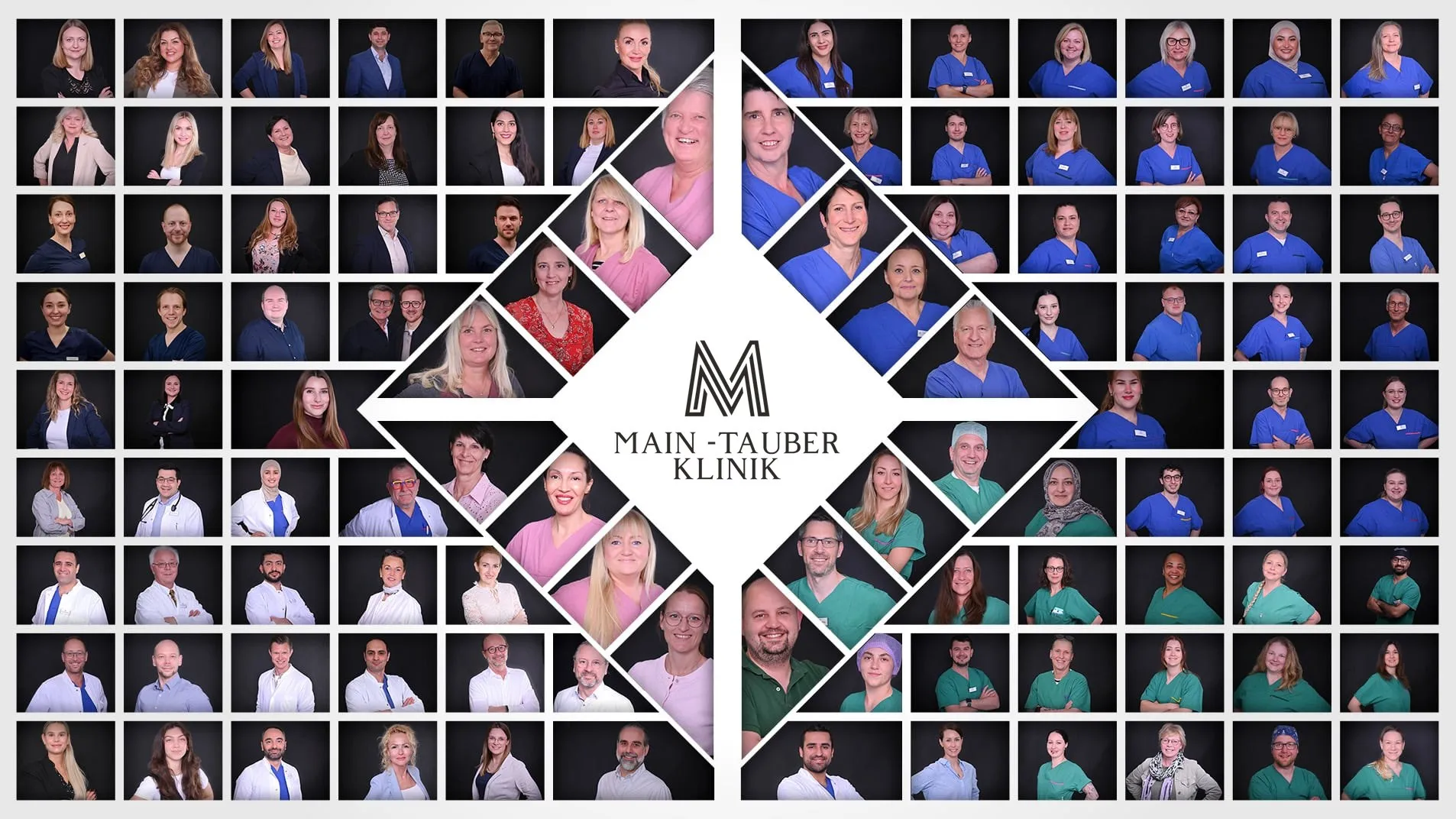
The cardiology department is part of the Clinic for Internal Medicine of the Main-Tauber-Klinik and works in the house of the Bürgerspital. ECG examinations, cardiac ultrasound and long-term measurements take place here, as do check-ups of pacemakers and ICDs; treatment is provided on an outpatient and inpatient basis, and consultations are available by appointment. A cardiac catheter laboratory is in operation in the same house, run by the practice Dr. Sallam.

If you suspect a heart attack, call the emergency doctor immediately on 112. For a planned appointment, coming from Würzburg, take the A3 to exit 66 Wertheim/Bestenheid and continue via the B8/B290, about 25 minutes; from Tauberbischofsheim, the L578 and the B290 take you to Wertheim in about 30 minutes. The signs for Krankenhaus/Bürgerspital lead you to Rotkreuzstraße 2.

From Frankfurt and the Rhine-Main area, you can reach us via the A3 in about an hour. The clinic is also easy to reach from the rest of the Main-Tauber-Kreis via the B290.

This is why people choose our cardiology department

  • Modern diagnostics with high-end ultrasound and ECG technology
  • Rapid acute care for heart attacks and emergencies
  • Experienced cardiologists with decades of expertise
  • Holistic care from prevention to aftercare

Cardiovascular diseases are the most common cause of death in Germany. From heart attack and cardiac arrhythmias to heart failure – a timely diagnosis and optimal treatment can save lives. In our cardiology department at the Bürgerspital Wertheim, we offer the complete spectrum of modern cardiac medicine: from preventive check-ups and acute treatment to long-term care of chronic heart diseases. With modern diagnostics and evidence-based therapy, we are there for you.

Modern cardiology in Wertheim

Cardiology is the medical speciality that deals with diseases of the heart and the circulatory system. From coronary heart disease and cardiac arrhythmias to heart failure – we diagnose and treat all cardiological diseases. At the Bürgerspital Wertheim, we use modern diagnostic procedures: echocardiography (cardiac ultrasound), ECG in all its variants, long-term blood pressure measurement and stress tests. Our aim: to keep your heart healthy or to make it healthy again.

Why experience in cardiology saves lives

With heart disease, every minute counts. Rapid and precise diagnostics are crucial – especially in acute emergencies such as a heart attack or life-threatening cardiac arrhythmias. The experience of our cardiologists makes it possible to recognise critical situations immediately and to act correctly. In chronic heart disease, too, specialist expertise is indispensable for optimal adjustment of medication and long-term care. We are with you – from prevention to emergencies.

Curious to know more?

Write to us and we will call you back:

ProvenExpert Top Recommendation 2026 for Main-Tauber-Klinik100 %Recommendationon ProvenExpert
Book consultation

This page is protected by a privacy-friendly spam protection: the check runs in your browser, without tracking and without cookies.

Our range of services in detail

ECG diagnostics

Resting ECG, long-term ECG and exercise ECG for precise analysis of heart rhythm and blood flow.

  • Resting ECG

    Rapid basic diagnostics when heart disease is suspected

  • Long-term ECG (24-⁠hour ECG)

    Recording over 24-48 hours for rhythm analysis

  • Exercise ECG (ergometry)

    Testing heart function under exertion

  • Event recorder

    Long-term monitoring for infrequent arrhythmias

Echocardiography

High-resolution ultrasound examination of the heart to assess its structure and function.

  • Transthoracic echocardiography

    Standard cardiac ultrasound through the chest wall

  • Doppler echocardiography

    Assessment of the heart valves and blood flow

  • Stress echocardiography

    Heart function under medication-induced stress

  • 3D echocardiography

    Three-dimensional imaging for complex findings

Acute treatment

Rapid and professional care for acute cardiovascular emergencies around the clock.

  • Heart attack

    Immediate diagnostics and stabilisation, transfer to the cardiac catheterisation laboratory

  • Heart failure (cardiac insufficiency)

    Acute therapy for decompensated heart failure

  • Coronary heart disease

    Treatment of angina pectoris and unstable conditions

  • Cardiac arrhythmias

    Emergency therapy for atrial fibrillation and other arrhythmias

Monitoring & aftercare

Long-term monitoring and check-ups for chronic heart diseases and pacemakers.

  • Long-term blood pressure measurement

    24-hour blood pressure profile for optimal adjustment

  • Pacemaker check-⁠ups

    Regular testing and programming

  • ICD check-⁠ups

    Check-ups of implantable defibrillators

  • Adjustment of medication

    Optimisation of heart medication and aftercare

Your advantages in cardiology in Wertheim

  • Modern diagnostics with high-end ultrasound and ECG technology
  • Rapid acute care for heart attacks and cardiac emergencies
  • Experienced cardiologists with decades of expertise
  • Close cooperation with cardiac catheterisation laboratories and cardiac surgery
  • Holistic care from prevention to aftercare

Do you have heart problems or would you like to have your risk of a heart attack assessed? Then request information from us now and make an appointment in our cardiology department!

All you need to know about cardiology & cardiovascular diseases

Cardiology – the heart at the centre

The heart is the engine of our body – it beats about 100,000 times a day, pumping around 7,000 litres of blood through our body. Diseases of the heart and the circulatory system are the most common cause of death in Germany.

Our spectrum: from preventive check-ups and the treatment of chronic heart diseases to acute care for a heart attack – our experienced team is there for you.

Modern cardiological diagnostics and therapy at the Bürgerspital Wertheim.

Coronary heart disease (CHD)

The most common heart disease. The coronary arteries are narrowed by deposits (arteriosclerosis). The heart no longer receives enough oxygen.

  • Symptoms

    Chest tightness, a feeling of pressure on the chest, pain radiating into the arm, neck or jaw, especially on exertion

  • Diagnostics

    ECG, exercise ECG, echocardiography, cardiac catheterisation if necessary

  • Treatment

    Medication (blood thinners, beta blockers, statins); for more severe narrowing, cardiac catheterisation with a stent or bypass surgery

Heart attack – an absolute emergency!

A heart attack occurs when a coronary artery becomes completely blocked. Heart muscle tissue dies – the longer this lasts, the greater the damage.

Typical symptoms:

  • Severe, persistent chest pain (“crushing pain”)
  • Radiating into the left arm, neck, jaw or upper abdomen
  • Shortness of breath, nausea, cold sweats
  • Fear of dying

CALL AN EMERGENCY DOCTOR IMMEDIATELY: 112

Treatment: initial care and stabilisation, transfer to the cardiac catheterisation laboratory as quickly as possible (within 90 minutes).

Heart failure (cardiac insufficiency)

The heart is no longer able to supply the body with enough blood. There are many causes: CHD, high blood pressure, heart valve defects, inflammation of the heart muscle.

Symptoms:

  • Shortness of breath on exertion or when lying down
  • Quick exhaustion, reduced capacity for exertion
  • Fluid retention (oedema) in the legs
  • Needing to pass urine at night
  • Weight gain due to fluid

Treatment: medication (ACE inhibitors, beta blockers, diuretics), treatment of the underlying condition, pacemaker/defibrillator if necessary

Cardiac arrhythmias

The heart beats too fast (tachycardia), too slowly (bradycardia) or irregularly.

  • Atrial fibrillation

    The most common arrhythmia. Irregular, often rapid heartbeat. Danger: stroke caused by blood clots.

  • Symptoms

    Palpitations, racing heart, dizziness, shortness of breath – or no symptoms

  • Treatment

    Anticoagulation, rhythm/rate control, catheter ablation if necessary

  • Ventricular tachycardia

    Dangerous! Treatment with an implanted defibrillator (ICD)

  • Bradycardic disorders

    Heartbeat too slow. Treatment with a pacemaker

ECG (electrocardiogram)

The ECG records the electrical activity of the heart. The most important basic examination in cardiology.

  • Resting ECG

    Standard examination that takes only a few minutes. Detects arrhythmias, heart attacks and circulatory disorders.

  • Long-term ECG (Holter)

    Recording over 24-48 hours. A small device on the belt, electrodes on the chest. Diagnosis of occasional arrhythmias.

  • Exercise ECG (ergometry)

    ECG during exertion on a bicycle ergometer. Shows how the heart responds to exertion. Diagnosis of CHD.

Echocardiography (cardiac ultrasound)

The most important imaging examination in cardiology. Using ultrasound, we observe the heart “live” – painlessly and without exposure to radiation.

What do we see?

  • Size of the ventricles and atria
  • Pumping function of the heart (ejection fraction)
  • Function of the heart valves (narrowing, leaks)
  • Thickness of the heart muscle and movement of the heart wall
  • Fluid in the pericardium (pericardial effusion)
  • Blood clots in the heart

Special procedures: Doppler echo (blood flow), stress echo (medication-induced stress)

Further diagnostics

  • Long-term blood pressure measurement (24-⁠hour BP)

    Automatic measurements every 15-30 minutes over 24 hours. A cuff on the arm, a small recording device. Diagnosis of high blood pressure and monitoring of therapy.

  • Pacemaker & ICD check-⁠ups

    Regular check-ups of implanted devices. Reading out stored data, battery check, programming.

  • Cardiac catheter examination

    Standard procedure for diagnosing CAD. Imaging of the coronary arteries with contrast medium, in the cardiac catheter laboratory in the house of the Bürgerspital.

Treatment of cardiovascular diseases

Drug therapy:

  • Blood thinners

    ASA, clopidogrel – prevention of heart attack/stroke

  • Beta blockers

    Lowering heart rate/blood pressure, protection against arrhythmias

  • ACE inhibitors/AT1 blockers

    Lowering blood pressure, protection in heart failure

  • Statins

    Lowering cholesterol, stabilising vascular deposits

  • Diuretics

    Removing excess fluid in heart failure

  • Nitrates

    Dilating blood vessels in angina pectoris

Interventional & implantable therapy:

  • Cardiac catheter intervention

    Stent implantation for CAD

  • Pacemaker

    For a heartbeat that is too slow

  • ICD (defibrillator)

    For life-threatening arrhythmias

  • CRT

    Special pacemaker for heart failure

Surgical therapy:

Bypass surgery, heart valve replacement and cardiac surgery take place in specialised heart centres. We coordinate the transfer and support you before and after the procedure.

Our approach: Holistic treatment, from diagnostics and acute care to long-term aftercare.

When should I see a cardiologist?

Emergency – call 112 immediately:

  • Severe, persistent chest pain
  • Sudden shortness of breath
  • Loss of consciousness
  • Very slow or very fast pulse

See a cardiologist promptly:

  • Chest pain or chest tightness on exertion
  • Palpitations, racing heart
  • Shortness of breath on exertion
  • Dizziness, fainting spells
  • Water retention in the legs
  • High blood pressure
  • Family history (heart attack in relatives)

Check-ups from age 40:

Even without symptoms, we recommend regular check-ups from age 40 for the early detection of risk factors:

  • High blood pressure
  • Raised cholesterol
  • Diabetes

Early detection saves lives!

Frequently asked questions

How do I recognise a heart attack?

Typical symptoms are severe, persistent chest pain (often described as pressure or tightness), which can radiate into the left arm, neck or jaw. This is often accompanied by shortness of breath, nausea, cold sweats and a fear of dying. IMPORTANT: In women the symptoms can be less typical (nausea, back pain). If in doubt, always call the emergency doctor (112)!

What is the difference between angina pectoris and a heart attack?

Angina pectoris is a warning sign – the heart does not get enough oxygen during exertion, which leads to chest pain. This improves at rest or after nitro spray. In a heart attack, a vessel is completely blocked – the pain is more severe, lasts longer and does not improve. A heart attack is an emergency; angina pectoris is a warning sign that must be investigated by a cardiologist.

Is a cardiac catheter examination dangerous?

Today, a cardiac catheter examination is a routine procedure with a low risk. Serious complications (heart attack, stroke, death) are very rare (under 1%). Minor problems such as bruising at the puncture site or allergic reactions to the contrast medium are more common. Where it is indicated, the benefit clearly outweighs the risk.

Do I have to take medication after a heart attack?

Yes, after a heart attack lifelong medication is absolutely necessary. Standard therapy includes: blood thinners (ASA + clopidogrel), beta blockers, ACE inhibitors and statins. These medicines protect against a further heart attack and clearly improve the prognosis. Never stop taking heart medication on your own!

Can I live normally with a pacemaker?

Yes, with a pacemaker you can lead a largely normal life. Sport, travel and everyday life are possible. Only strong magnetic fields should be avoided (MRI only after consultation, keep a distance from induction hobs). Modern pacemakers are very reliable and have long battery lives (7-10 years). Regular check-ups are important.

Does German statutory health insurance cover cardiological examinations?

Yes, all medically necessary cardiological examinations (ECG, cardiac ultrasound, long-term measurements) are covered by German statutory and private health insurance. The treatment of heart diseases and emergency care are also covered by health insurance. Purely preventive check-ups without specific symptoms sometimes have to be paid for yourself (IGeL services).

Where in Wertheim is the cardiology department?

In the house of the Bürgerspital, Rotkreuzstraße 2, 97877 Wertheim, where the Main-Tauber-Klinik is also located. Without a car, travel to the railway station and take bus line 975 towards Reinhardshof to the stop Reinhardshof, Nord/Krankenhaus, or take a taxi. More under Directions.

Your question is not among them?

Get in touch with our team now:

ProvenExpert Top Recommendation 2026 for Main-Tauber-Klinik100 %Recommendationon ProvenExpert
Book consultation

This page is protected by a privacy-friendly spam protection: the check runs in your browser, without tracking and without cookies.

Book consultation

Find your consultation appointment now

Your consultation in 3 steps:

  1. Choose treatment
  2. Choose preferred appointment
  3. confirm by code
Reviews

4.7 out of 5 stars

261 reviews of the Bürgerspital Wertheim on ProvenExpert

Reviews by patients of the Bürgerspital Wertheim on Google, newest first: the Main-Tauber-Klinik is in the same building.

Consultation in Wertheim

Let’s get to know each other.

In the first conversation we listen, examine and explain what is possible and what is not. Afterwards you decide in your own time.

Address
Main-Tauber-Klinik
Rotkreuz Str. 2, 97877 Wertheim
Directions
Phone
Mon–Fri 8 am–8 pmSat 9 am–3 pm
Message
Go to the contact form

Phone Mon–Fri 8 am–8 pm, Sat 9 am–3 pmPersonal consultation in Wertheim

09342 303 1033Ask a questionBook consultation
Ask a question

Write to us.

We will get back to you by email or phone. You can reach us by phone on 09342 303 1033.

Callback

We will call you back.

Leave us your number and we will call you during our phone hours. 09342 303 1033

This page is protected by a privacy-friendly spam protection: the check runs in your browser, without tracking and without cookies.