GLP-1 therapy and botulinum toxin injections into the stomach: what you need to bear in mind
Time and again, patients ask our doctors at Main-Tauber Klinik Wertheim whether botulinum toxin injections into the stomach are also offered. Above all abroad, where the approval standards for a high level of patient safety are far from matching those of Germany or the EU, there appear to be dubious offers for this. But in Germany, too, there are isolated providers who try to attract patients to botulinum toxin injections into the stomach with supposedly cheap and tempting offers.
It is important to know: there is no approved therapy for treating overweight or obesity with the nerve toxin botulinum toxin A. Rather, some practitioners have come up with the idea of applying the treatment concept for which botulinum toxin was actually developed, namely the targeted blocking of muscle stimuli, to the stomach as well, in the hope that this would reduce stomach activity and thus noticeably slow down the digestive process in the stomach. In aesthetic medicine, this principle is used with a muscle relaxant in wrinkle treatment.
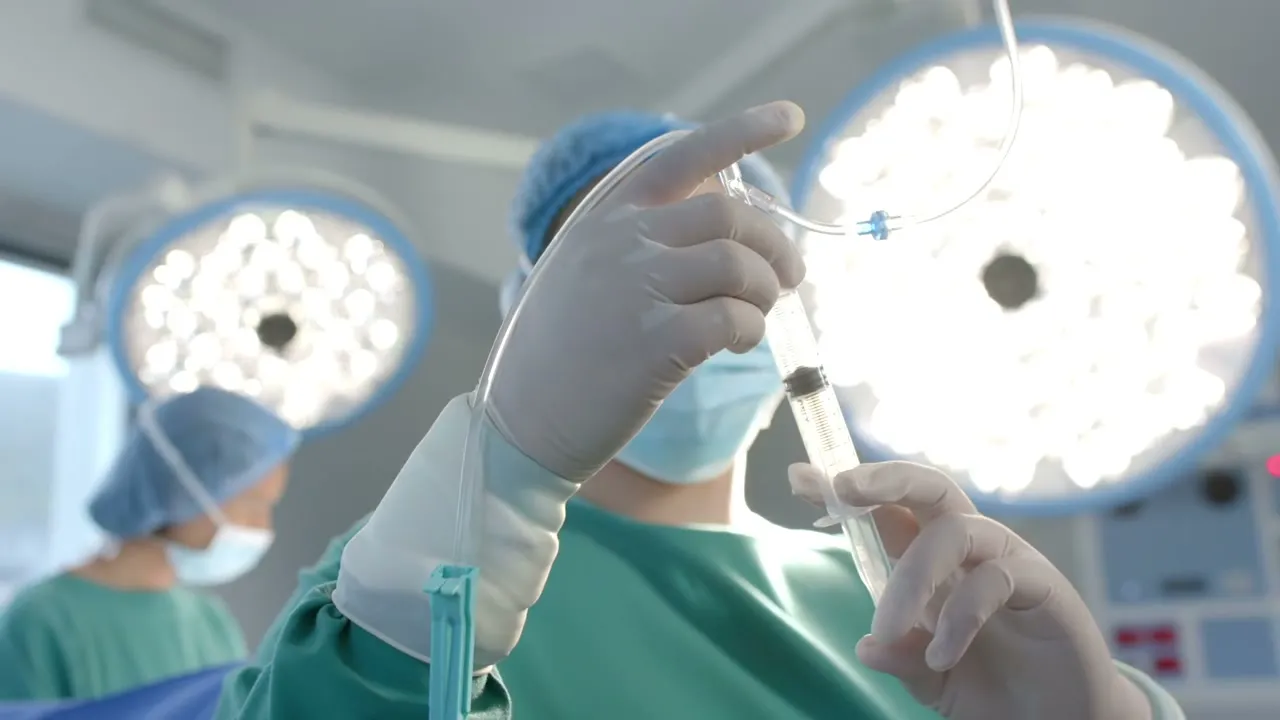
The main problem, however, is this: the muscles in the stomach are much stronger than, for example, in the face. A considerably larger quantity of the nerve toxin botulinum toxin A is therefore needed to trigger any effect at all in the stomach after injection during a gastroscopy. We are talking about concentrations that can quickly reach 6 to 8 times what is used, for instance, in an average wrinkle treatment in the face. Injected in the wrong place in the stomach, this can lead to considerable complications, or, because the stomach is such a large organ, it has in fact no effect at all. The variance in the effect therefore ranges between dangerous and zero effect. Incidentally, science shows this too: the desired effect occurs far too rarely with botulinum toxin A.
In addition, the effect of botulinum toxin A is limited in time and lasts only approx. 3 months. Consider this: for every top-up to maintain the effect, you would have to undergo another gastroscopy every quarter, a procedure under sedation or general anaesthesia, and that for years. It is actually obvious that this effort and the associated risks, side effects and downtime are out of proportion.
Finally, viewed quite soberly, a look at the treatment costs compared with GLP-1 therapy is also enough. If the therapy is planned for 6 months and the two methods are compared, treatment with GLP-1 therapy costs only about half as much. With a 12-month GLP-1 therapy, the costs are even only approx. 25% compared with four gastroscopies with botulinum toxin A. This does not yet take into account that the application is much simpler and the time required for GLP-1 therapy is low. The team at Main-Tauber Klinik Wertheim will be happy to give you objective advice on all the essential details. Get in touch with us and arrange a first consultation.