Skip to content
EN

Language

Book consultation

Neurology & stroke medicine in Wertheim

Fast and competent care in neurological emergencies with a specialised Stroke Unit. At the Bürgerspital Wertheim we treat strokes, brain haemorrhages, epilepsy, Parkinson's disease and other neurological disorders – around the clock.

Neurology & stroke medicine in Wertheim
Stroke Unit
Certified & 24/7
Diagnostics
CT/MRI around the clock
Thrombolysis
Within 4.5 hours
At a glance

Quick overview

Stroke Unit
Certified & 24/7
Emergency
Immediate care
Diagnostics
CT/MRI around the clock
Thrombolysis
Within 4.5 hours
Treatment
inpatient & outpatient
EEG
Standard & sleep deprivation
Rehabilitation
Early rehabilitation
Expertise
200+ strokes/year
Certification
Stroke Unit DSG

Find your consultation appointment now

Neurology and stroke medicine in Wertheim: Stroke Unit in the house of the Bürgerspital

Neurology and stroke medicine is part of the Clinic for Internal Medicine of the Main-Tauber-Klinik in the house of the Bürgerspital. Besides the Stroke Unit for strokes, epilepsy, Parkinson's disease, multiple sclerosis and other disorders of the nervous system are treated there on an inpatient and outpatient basis; diagnostics include EEG examinations, among others.

If you suspect a stroke, call the emergency services on 112 immediately. For planned appointments, you can reach Rotkreuzstraße 2 from the Frankfurt direction in around an hour via the A3, exit 65 Wertheim/Lengfurt, and the B8/B290, then by following the signs Krankenhaus/Bürgerspital. From Wertheim station, bus line 975 towards Reinhardshof runs to the stop Reinhardshof, Nord/Krankenhaus.

The clinic is also easy to reach from the Main-Tauber-Kreis: from Tauberbischofsheim, you drive about 30 minutes via the L578 and the B290.

This is why people choose our neurology department

  • Specialised Stroke Unit for optimal stroke care
  • 24/7 emergency care for stroke and brain haemorrhages
  • Experienced neurologists with an additional Stroke Unit qualification
  • Modern diagnostics with CT, MRI and EEG around the clock

In a stroke, every minute counts – “Time is Brain”. The sooner treatment begins, the better the chances of recovery. In our neurology department with a specialised Stroke Unit at the Bürgerspital Wertheim, we are ready for neurological emergencies 24 hours a day, 7 days a week. Besides acute care for stroke and brain haemorrhages, we also treat chronic neurological disorders such as Parkinson's disease, multiple sclerosis, epilepsy and movement disorders with modern therapies.

Modern neurology and stroke care in Wertheim

Neurology deals with disorders of the nervous system – the brain, spinal cord and peripheral nerves. From acute life-threatening conditions such as stroke and brain haemorrhage, through epilepsy and headaches, to chronic disorders such as Parkinson's disease or multiple sclerosis. At the Bürgerspital Wertheim we have a certified Stroke Unit for optimal stroke care. With CT and MRI around the clock and experienced neurologists, we offer fast diagnostics and therapy.

Why time is so crucial in a stroke

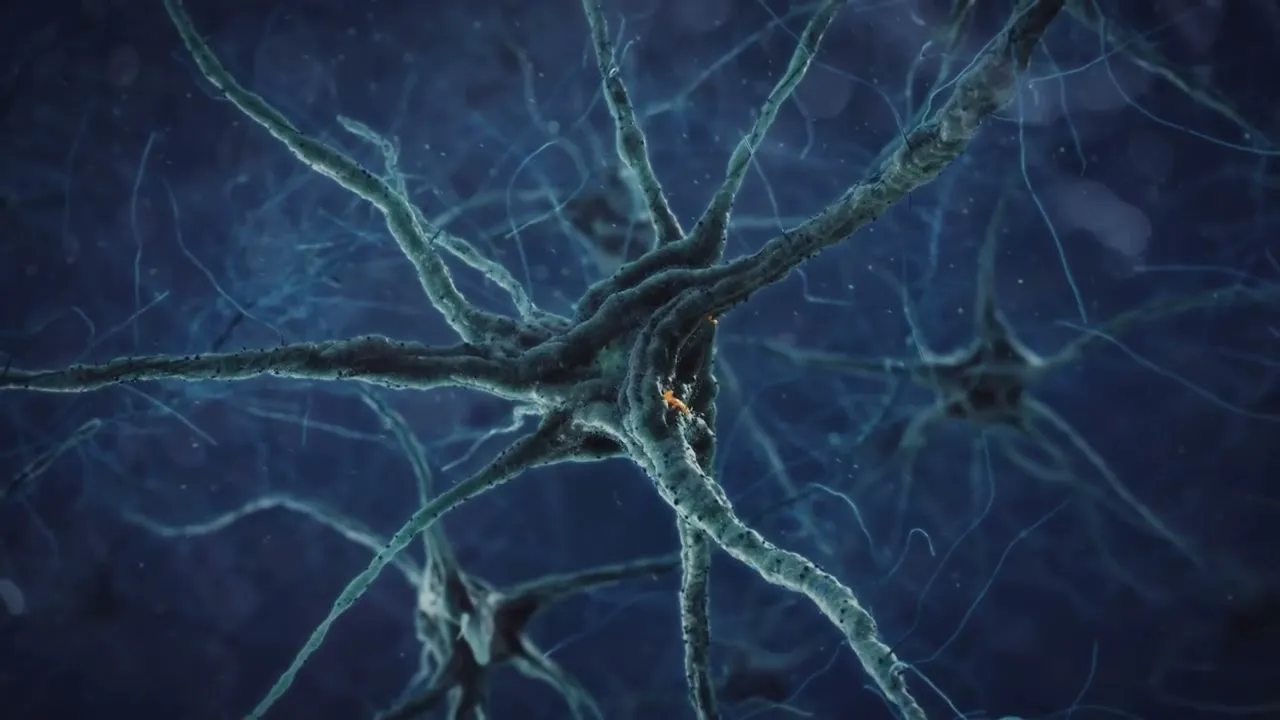
In a stroke, around 2 million nerve cells die every minute. The longer the brain remains without oxygen, the greater the damage. That is why: “Time is Brain” – every minute counts! The experience of our Stroke Unit neurologists and the 24/7 availability of CT, laboratory and thrombolysis enable us to provide optimal care for stroke patients within the shortest possible time. Through rapid diagnosis and immediate therapy, we can often prevent severe disability.

Curious to know more?

Write to us and we will call you back:

ProvenExpert Top Recommendation 2026 for Main-Tauber-Klinik100 %Recommendationon ProvenExpert
Book consultation

This page is protected by a privacy-friendly spam protection: the check runs in your browser, without tracking and without cookies.

Our range of services in detail

Stroke Unit (stroke ward)

Specialised 24/7 care for stroke with acute diagnostics and thrombolysis – certified.

  • Acute CT/MRI

    Immediate imaging to distinguish cerebral infarction from brain haemorrhage

  • Thrombolysis

    Dissolving blood clots within 4.5 hours

  • Thrombectomy

    Mechanical reopening of blood vessels (in cooperation)

  • Intensive monitoring

    Continuous monitoring on the Stroke Unit

Emergency treatment of brain haemorrhage

Treatment of brain haemorrhages (intracerebral and subarachnoid haemorrhages) in close cooperation with neurosurgery.

  • Blood pressure management

    Careful lowering of blood pressure to limit the bleeding

  • Intensive care medicine

    Monitoring and treatment of complications

  • Intracranial pressure measurement

    Invasive monitoring if required

  • Neurosurgical cooperation

    Rapid transfer if surgery is indicated

Electrophysiology (EEG)

EEG and sleep-deprivation EEG for diagnosing epilepsy, disorders of consciousness and other neurological disorders.

  • Standard EEG

    Measurement of brain waves for epilepsy diagnostics

  • Sleep-deprivation EEG

    Provoking epileptic activity

  • Long-term EEG

    Recording over several hours in unexplained seizures

  • Evoked potentials

    Measurement of nerve pathways and sensory functions

Movement disorders

Therapy of chronic neurological disorders such as Parkinson's disease, multiple sclerosis, gait disorders and tremor.

  • Parkinson's therapy

    Adjustment of medication and optimisation of therapy

  • Multiple sclerosis

    Relapse treatment and long-term treatment with immunotherapies

  • Tremor diagnostics

    Assessment and treatment of various forms of tremor

  • Gait analysis

    Diagnostics and therapy of gait disorders

Your advantages in neurology in Wertheim

  • Certified Stroke Unit for optimal stroke care
  • 24/7 emergency care with immediate CT/MRI diagnostics
  • Experienced neurologists with Stroke Unit certification
  • Thrombolysis and thrombectomy cooperation
  • Modern diagnostics (EEG, Doppler, evoked potentials)

STROKE EMERGENCY? Do not hesitate – call the emergency services (112) immediately!

All you need to know about neurology & disorders of the nervous system

Neurology – disorders of the nervous system

Neurology deals with disorders of the nervous system. The nervous system is highly complex and controls all bodily functions – from thinking and movement to sensory perception.

  • What we treat

    Neurological disorders can affect the brain, the spinal cord or the peripheral nerves.

  • Our range

    From acute emergencies such as stroke to chronic conditions such as Parkinson's disease or multiple sclerosis at the Bürgerspital Wertheim.

Stroke – the neurological emergency

Third most common cause of death in Germany and most common cause of permanent disability. Each year: 270,000 strokes in Germany.

What happens? Part of the brain suddenly stops receiving blood. Nerve cells receive no oxygen and die.

Two types:

  • Cerebral infarction (80%)

    Blood vessel blocked by a clot

  • Brain haemorrhage (20%)

    Blood vessel bursts, blood leaks into the brain

EVERY MINUTE COUNTS – CALL 112 IMMEDIATELY!

FAST test: recognise a stroke quickly!

F – Face

Ask the person to smile.

Warning sign: Does one corner of the mouth droop?

A – Arms

Ask the person to stretch both arms out in front of them.

Warning sign: Does one arm drift downwards?

S – Speech

Have the person repeat a simple sentence.

Warning sign: Is their speech slurred or unintelligible?

T – Time

If ANY of these signs is present:

CALL 112 IMMEDIATELY!

Time is brain!

Other stroke symptoms: Sudden visual disturbances, dizziness, unsteady gait, very severe headache, impaired consciousness

IMPORTANT: Even if symptoms only appear briefly and then disappear (TIA), it is an emergency! TIAs are warning signs!

Treating a stroke – the 4 phases

Phase 1: Emergency department & diagnostics

Immediate CT or MRI of the head. Distinguishing: cerebral infarction or brain haemorrhage?

At the same time: blood sampling, ECG, blood pressure measurement, neurological examination.

Phase 2: Acute therapy

For cerebral infarction – thrombolysis: A medication (rtPA) dissolves the blood clot. Only possible within 4.5 hours!

Thrombectomy: Mechanical removal in the case of large vessel occlusions.

For brain haemorrhage: Careful lowering of blood pressure, monitoring, surgery by a neurosurgeon if necessary.

Phase 3: Stroke Unit

Specialised stroke ward with continuous monitoring, specialised nursing staff and early rehabilitation (physiotherapy, occupational therapy, speech therapy).

Studies show: A Stroke Unit considerably reduces mortality and improves the prognosis!

Phase 4: Secondary prevention

Preventing further strokes:

  • Blood thinning
  • Lowering blood pressure
  • Lowering cholesterol
  • For atrial fibrillation: anticoagulation
  • Lifestyle changes

Epilepsy – a storm in the brain

A chronic condition with recurring epileptic seizures. A seizure is caused by abnormal electrical discharges in the brain – like a “storm in the head”.

Types of seizure:

Focal seizures: Affect only one part of the brain. Twitching of one hand, tingling, visual disturbances, impaired consciousness without falling.

Generalised seizures: Affect the whole brain.

  • Grand mal

    Classic convulsive seizure with loss of consciousness, falling, stiffening, twitching

  • Absence

    Brief lapses of consciousness, common in children

Treatment: Antiepileptic drugs to prevent seizures. Aim: freedom from seizures with good tolerability.

Parkinson’s – when movement becomes a challenge

A slowly progressive condition. Nerve cells that produce dopamine die. Dopamine is important for controlling movement – a deficiency leads to the typical symptoms.

Main symptoms:

  • Rigidity

    Muscle stiffness, cramping

  • Tremor

    Shaking (typically: resting tremor)

  • Akinesia

    Reduced movement, slowness, shuffling gait with small steps

  • Postural instability

    Unstable posture, tendency to fall

  • Other symptoms

    Mask-like face, quiet speech, swallowing difficulties, impaired sense of smell, depression, sleep disorders

  • Treatment

    L-dopa, dopamine agonists, physiotherapy, in advanced disease: deep brain stimulation

Multiple sclerosis (MS)

A chronic inflammatory disease of the central nervous system. The immune system mistakenly attacks the insulating layer (myelin) of the nerve fibres. Areas of inflammation in the brain and spinal cord.

Symptoms: Very varied, depending on location:

  • Visual disturbances (inflammation of the optic nerve)
  • Sensory disturbances (tingling, numbness)
  • Paralysis, coordination problems
  • Fatigue (extreme exhaustion)
  • Bladder and bowel problems
  • Forms of progression

    Relapsing-remitting (most common form), secondary progressive, primary progressive

  • Treatment

    Relapse therapy (cortisone), long-term therapy (immunotherapies), symptomatic therapy

Diagnostics in neurology

  • EEG (electroencephalography)

    Measurement of brain waves. Shows patterns typical of epilepsy; a sleep-deprivation EEG provokes epileptic activity.

  • MRI of the head

    Search for structural causes (scars, tumours, vascular malformations, MS lesions).

  • Lumbar puncture

    Examination of the cerebrospinal fluid if MS, inflammation or bleeding is suspected.

  • Neurological examination

    Testing of reflexes, coordination, sensation, muscle strength, cranial nerves.

  • L-⁠dopa test

    If Parkinson’s is suspected.

When should I see a neurologist?

Emergency – call 112 immediately:

  • Suspected stroke (FAST test positive)
  • Epileptic seizure lasting longer than 5 minutes
  • Sudden very severe headache (“thunderclap headache”)
  • Acute impairment of consciousness

See a neurologist promptly:

  • Recurring headaches
  • Dizziness, unsteady gait
  • Tingling, numbness
  • Paralysis, weakness
  • Visual disturbances
  • Memory problems
  • Tremor, movement disorders
  • Suspected epileptic seizure

Neurological rehabilitation:

After a stroke, with MS or Parkinson’s, neurological rehabilitation is often advisable.

Aim: Improving mobility, speech and independence in everyday life.

Therapies: Physiotherapy, occupational therapy, speech therapy, neuropsychological training.

Frequently asked questions

What is the difference between a TIA and a stroke?

With a TIA (transient ischaemic attack), the same symptoms occur as with a stroke, but they disappear again within 24 hours (usually after a few minutes). It used to be thought that TIAs were harmless. Today we know: a TIA is an emergency and a warning sign! The risk of a “real” stroke in the following days is very high. Call 112 immediately in the case of a TIA too!

Can you make a full recovery after a stroke?

That depends on the extent of the stroke and how quickly it is treated. With small strokes and timely thrombolysis, many patients can make a full recovery. With larger strokes, limitations often remain (paralysis, speech disorders). Through intensive rehabilitation, however, the brain can partly reorganise itself and regain functions.

Can epilepsy be cured?

Epilepsy cannot be cured, but it can be treated very well. With medication (antiepileptic drugs), 60-70% of patients become seizure-free. In the remaining patients, seizures can usually be reduced considerably. In some cases (e.g. with structural causes such as scars), epilepsy surgery can lead to a cure. Some forms of epilepsy in childhood are outgrown.

Am I allowed to drive with epilepsy?

That depends on how well the epilepsy is controlled. After the last seizure, you must be seizure-free for at least 1 year (without medication) or 6 months (with medication) before you may drive again. Your neurologist will advise you on your fitness to drive. Stricter rules apply to lorry/bus licences.

Is Parkinson’s hereditary?

In most cases, Parkinson’s is not hereditary. Only 5-10% of cases have a genetic cause (familial Parkinson’s syndromes, usually with early onset). In typical late-onset Parkinson’s disease, environmental factors and age play a greater role than genes.

How quickly do I need to act if I suspect a stroke?

IMMEDIATELY! Call 112 straight away – every minute counts! Thrombolysis is only possible within 4.5 hours. The earlier treatment begins, the better the prognosis. Even at night or at the weekend – our Stroke Unit is ready 24/7.

Where in Wertheim is the Stroke Unit?

The Stroke Unit of the neurology department is located in the house of the Bürgerspital, Rotkreuzstraße 2, 97877 Wertheim; the Main-Tauber-Klinik is also located there. From the direction of Würzburg, take the A3 to exit 66 and then the B8/B290; in town, follow the signs for Krankenhaus/Bürgerspital. More under Directions.

Your question is not among them?

Get in touch with our team now:

ProvenExpert Top Recommendation 2026 for Main-Tauber-Klinik100 %Recommendationon ProvenExpert
Book consultation

This page is protected by a privacy-friendly spam protection: the check runs in your browser, without tracking and without cookies.

Book consultation

Find your consultation appointment now

Your consultation in 3 steps:

  1. Choose treatment
  2. Choose preferred appointment
  3. confirm by code
Reviews

4.7 out of 5 stars

261 reviews of the Bürgerspital Wertheim on ProvenExpert

Reviews by patients of the Bürgerspital Wertheim on Google, newest first: the Main-Tauber-Klinik is in the same building.

Consultation in Wertheim

Let’s get to know each other.

In the first conversation we listen, examine and explain what is possible and what is not. Afterwards you decide in your own time.

Address
Main-Tauber-Klinik
Rotkreuz Str. 2, 97877 Wertheim
Directions
Phone
Mon–Fri 8 am–8 pmSat 9 am–3 pm
Message
Go to the contact form

Phone Mon–Fri 8 am–8 pm, Sat 9 am–3 pmPersonal consultation in Wertheim

09342 303 1033Ask a questionBook consultation
Ask a question

Write to us.

We will get back to you by email or phone. You can reach us by phone on 09342 303 1033.

Callback

We will call you back.

Leave us your number and we will call you during our phone hours. 09342 303 1033

This page is protected by a privacy-friendly spam protection: the check runs in your browser, without tracking and without cookies.